Bard IVC filter lawsuits were consolidated in federal court for several years, and the first bellwether trials began in 2018. Those trials are no longer pending. The federal multidistrict litigation, or MDL, later closed and the remaining cases were sent back or transferred to other courts.
If you received a Bard IVC filter and are trying to understand the older trial updates, this is where the litigation ended up and what patients should know about retrievable IVC filters.
What is an IVC Filter?
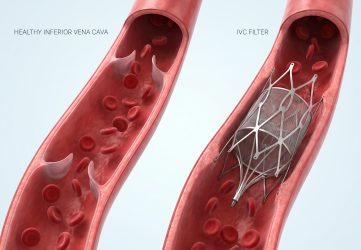
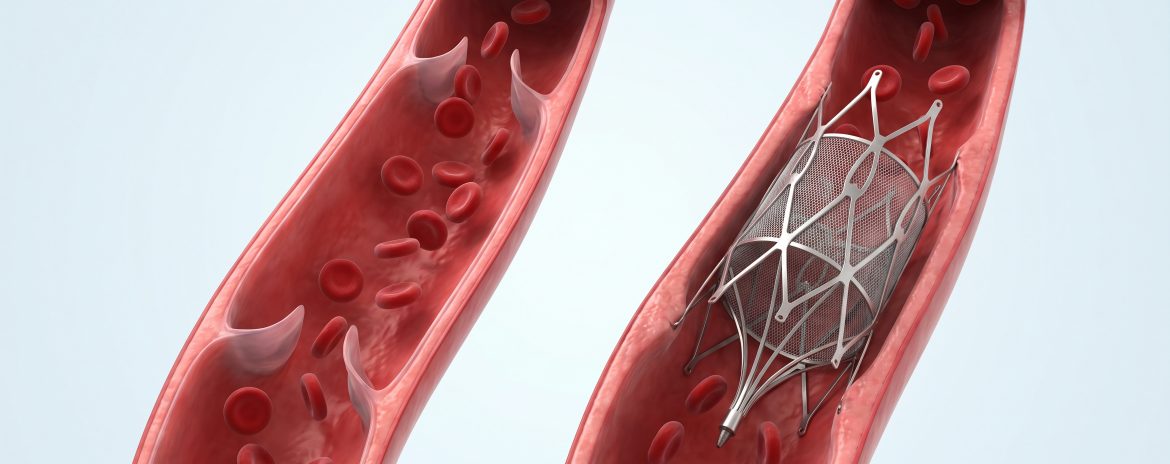
An inferior vena cava, or IVC, filter is a small device placed in the large vein that carries blood from the lower body back to the heart. The filter is designed to catch blood clots before they can travel to the lungs and cause a pulmonary embolism.
IVC filters may be used when a patient is at risk for pulmonary embolism and blood-thinning medication cannot be used or is not working. Some filters are permanent, while others are designed to be retrieved when they are no longer needed.
Why Were Bard IVC Filters in Litigation?
The Bard federal MDL involved several retrievable filter models, including the Recovery, G2, G2X, Eclipse, Meridian, and Denali filters. Plaintiffs alleged that certain Bard filters had problems involving tilt, perforation, fracture, or migration and that Bard did not adequately warn patients and doctors about those risks. Bard disputed those allegations.
A complication after an IVC filter does not automatically mean the device was defective. The product involved, the medical history, imaging, timing, and other facts can all matter.
What Happened Bard IVC Filters in Litigation?
The Bard federal MDL involved several retrievable filter models, including the Recovery, G2, G2X, Eclipse, Meridian, and Denali filters. Plaintiffs alleged that certain Bard filters had problems involving tilt, perforation, fracture, or migration and that Bard did not adequately warn patients and doctors about those risks. Bard disputed those allegations.
A complication after an IVC filter does not automatically mean the device was defective. The product involved, the medical history, imaging, timing, and other facts can all matter.
What Happened in the Bellwether Trials?
Bellwether trials are selected cases used to test important issues in a larger group of lawsuits. They do not decide every other case, but they can give the parties information about how juries may view certain claims and evidence.
The Bard MDL ultimately held three bellwether jury trials:
- Booker: The first trial involved a Bard G2 filter. The jury found for the plaintiff on a negligent failure-to-warn claim and awarded compensatory and punitive damages. The Ninth Circuit later affirmed the judgment.
- Jones: The second trial involved a Bard Eclipse filter. The jury returned a defense verdict.
- Hyde: The third trial involved a Bard G2X or Eclipse filter. The jury also returned a defense verdict.
Other cases selected for the bellwether process did not all reach a jury. One was resolved on statute-of-limitations grounds, one was removed from the bellwether schedule, and the final scheduled bellwether case settled shortly before trial in 2019.
What Happened to the Bard IVC Filter MDL?
The Bard IVC filter MDL began in 2015 with 22 cases. By the time the MDL closed on May 31, 2019, more than 8,000 cases had been filed.
The federal court later reported that thousands of cases had settled. In its April 2021 final remand and transfer order, the court said the MDL had concluded. Cases that had not settled or been dismissed were remanded or transferred to the appropriate courts for any remaining case-specific litigation.
That means older articles describing upcoming Bard bellwether trials are now historical. The centralized federal MDL is no longer conducting bellwether trials.
How Forester Haynie Can Help
Forester Haynie is a national law firm representing individuals in product liability lawsuits. represents clients nationwide in lawsuits against the manufacturers of defective medical devices. If you’ve been injured by a defective medical device, fill out the contact form below or call us at 214-210-2100 to get started on your free case evaluation today!